Spring and early autumn tend to see the most buyer activity across the UK. But every season has something going for it, and the right time to sell often has as much to do with your own circumstances as the calendar.
Here is what each part of the year looks like for sellers, and how to make the most of whichever season suits you.
Why does spring work so well for sellers?
Spring is traditionally the busiest time in the property market. The days are getting longer, gardens are coming to life, and homes look their best with more natural light. Buyers who have been thinking things over during winter tend to start searching in earnest once the clocks go forward.
Families often begin looking in spring with the aim of moving over the summer, settled before the new school year. That means more active, motivated buyers, and well-presented homes tend to attract interest quickly.
March, April and May are consistently among the busiest months for new listings and agreed sales. Getting your home ready in February gives you a head start before the market picks up.
What makes autumn a strong time to sell?
After the summer holidays, buyers return with fresh energy, and many want to find a home and complete before Christmas. September and October are particularly busy, with strong levels of online searches and viewing requests.
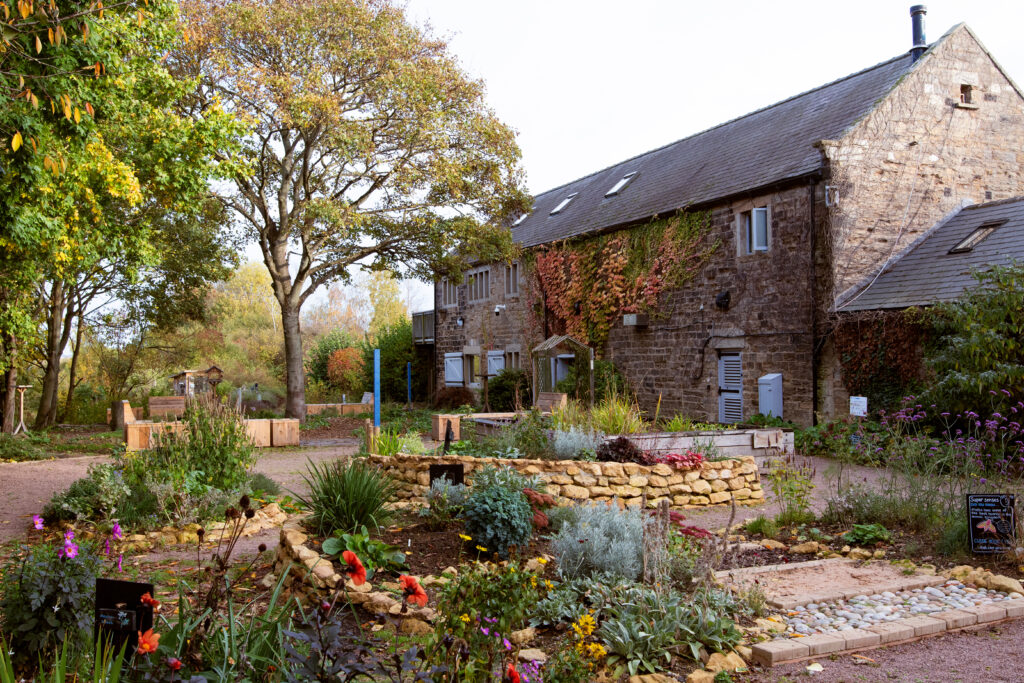
The weather is usually still mild enough for pleasant viewings, and the softer light of early autumn makes interiors feel warm and inviting. Sellers who list early in the season often benefit from a motivated pool of buyers who are ready to make decisions.
Is summer a good time to sell your home?
Summer can be quieter, mainly because holidays take people away. But buyers who are searching during these months tend to be serious and ready to move. There is often less competition from other sellers too, so your property can stand out more easily.
Longer evenings are a bonus for viewings, and gardens, patios and outdoor spaces look their best. If your home has outdoor space that really comes alive in warm weather, listing during the summer months lets you show it at its finest.
What are the advantages of selling in winter?
There are fewer properties on the market in winter, which means less competition. Buyers searching in November, December or January are usually highly motivated, and that can lead to smoother, faster transactions.
A home that feels warm, well-lit and welcoming on a cold day makes a strong impression. Soft lighting, a warm hallway, and a few seasonal touches go further in winter than at any other time of year. January is also when many people set new goals, and moving home is often high on the list.
When is the right time for you?
Online portals mean buyers can browse listings any day of the year, so your property is visible all year round regardless of when you list. The seasonal patterns are still there, but they are less pronounced than they were twenty years ago. A well-presented home, priced well and marketed properly, will attract interest whenever it comes to market.
The most important question is whether the timing feels right for you. Are you ready to move? Is your home in good shape for viewings? If you are waiting for the perfect month, you might find yourself waiting longer than you need to.
The average sale takes around three to six months from listing to completion, so factor that into your timeline. And your estate agent can give you a realistic picture of what is happening in your local area, which matters more than any national trend.
How should you prepare, whatever the season?
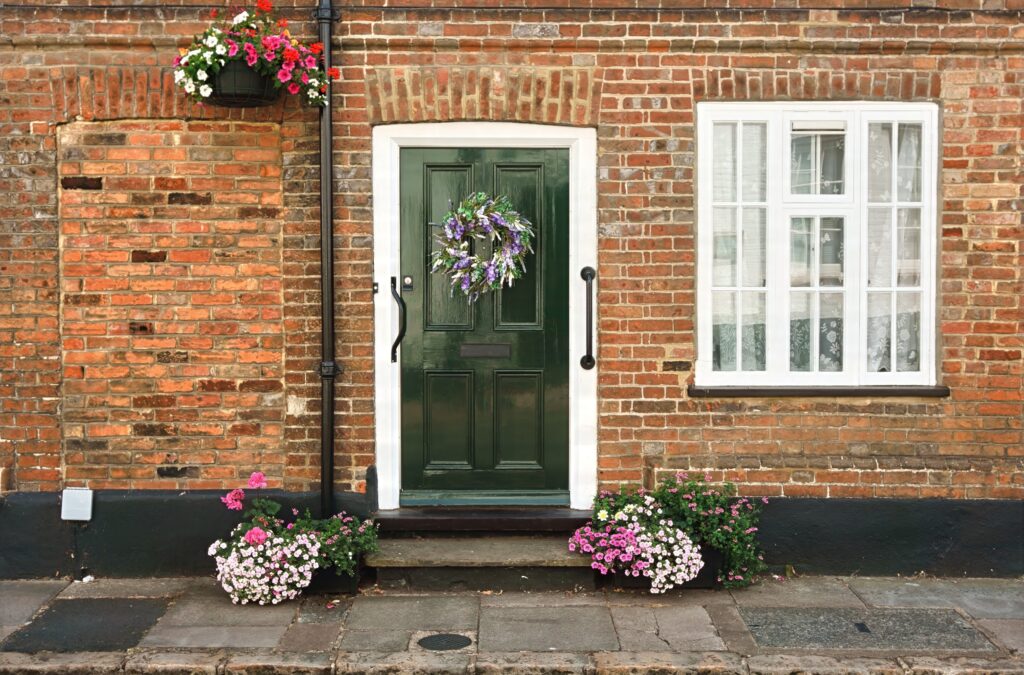
Kerb appeal: A clean path, a tidy front garden, and a freshly painted front door go a long way.
Declutter: Buyers need to imagine themselves in the space. Clear worktops, tidy shelves, and a bit of breathing room in each room all help.
Let the light in: Open curtains and blinds before viewings. Clean the windows. Light, bright rooms feel bigger and more inviting.
Fix the small things: A dripping tap, a squeaky door, a scuffed skirting board. A couple of hours with a toolkit can make the whole house feel more looked after.
Photography: Most buyers see your home online first. Good photography is one of the most important investments you can make.
Frequently asked questions
What is the best month to sell a house in the UK?
March, April and May are consistently among the busiest months. September and October also see strong activity. However, a well-prepared home can sell well at any time of year.
Can I sell my house in winter?
Yes. There are fewer properties on the market, which means less competition, and winter buyers tend to be highly motivated.
How long does it take to sell a house in the UK?
The process typically takes between three and six months from listing to completion, depending on your local market, the chain, and the legal work.
Does the housing market slow down in summer?
Activity can dip during the school holidays, but serious buyers continue to search. Longer daylight hours and the chance to see outdoor spaces at their best are genuine advantages.
Should I wait for spring to put my house on the market?
Not necessarily. If your home is ready and you are in a good position to sell, every season has its advantages. Your estate agent can advise on the best approach for your area.