Spring is your chance to set the scene for the year ahead as wintry months disappear and warmer, longer days bring the summer ever closer. Trends exist in the gardening world just as much as anywhere else, so what are they in 2025 and where do you start?
Start with a spring clean and create a vision of a better garden
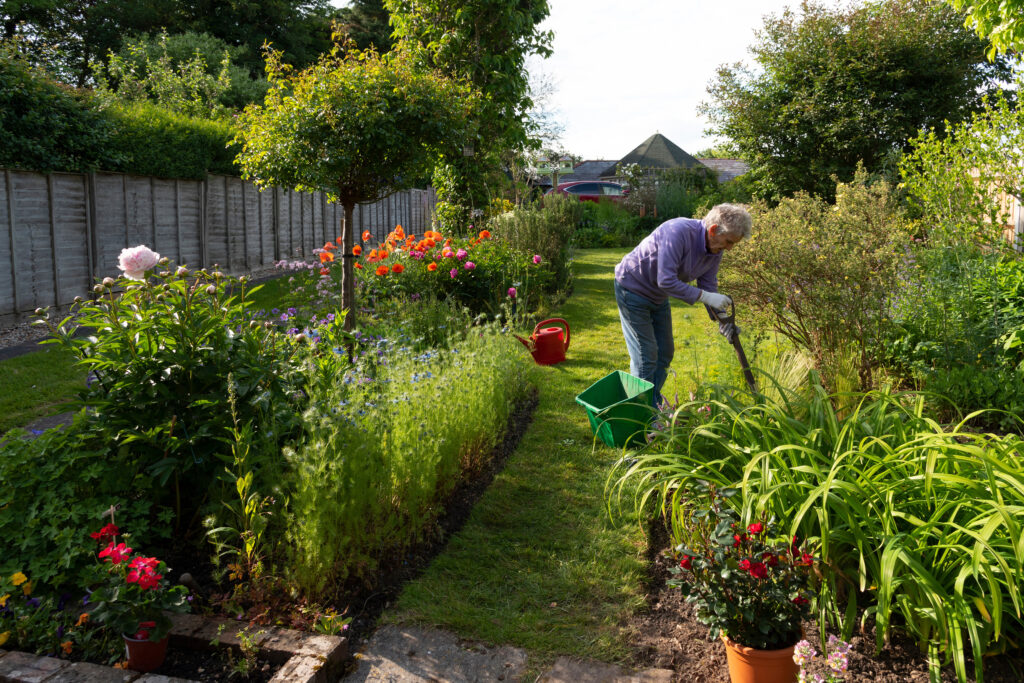
Gathering the debris from winter, such as fallen branches and leaves, while formulating the vision for your garden is essential. As you tidy up the flower beds, turn over the soil, and divide up your perennials, be careful not to prune spring-blooming trees; otherwise, they may be flowerless this summer. Plan your improvements carefully, deciding what you want to achieve by embracing the trends and themes you love. A visit to a good garden centre is a great place to find inspiration.
Wellness gardens are good for you
If you are looking for a place to escape the hustle and bustle of your busy life, your garden is just the place. Take this to the next level by creating a relaxation space that works best for you. It could be building a pergola and incorporating a meditation space within range of the soothing sound of a water fountain and the scent of herbs, flowers, and candles. Mood-boosting gardens are always on trend, so set your own trends with the details you love.
A sense of fun-defined spaces
Take the opportunity this spring to define your outdoor garden spaces. Create an outdoor kitchen, living room, or play area for younger family members. A sense of fun is on trend in spring and all year round. Working in harmony and seamlessly flowing with other areas of your garden, your outdoor fun places can have layered functions and themes. Incorporate sustainability, nature, practicality, relaxation, serenity, and seasonality with a little technology to increase levels of comfort.
Edimentals are still on the rise
Edimentals are beautiful, practical, and low-maintenance plants that are both ornamental and edible. Grow delicious food with beautiful flowers among your other plants. The obvious choices are herbs and strawberry plants, which can be planted in the spring. But there are a vast number of more interesting choices you can plant in spring, such as Daylily, which is a beautiful flower that tastes delicious in salads. Japanese Wineberry is another that produces sweet-tasting berries and delicate pink flowers.
Blur your indoor and outdoor boundaries
Spring is all about creating new life in your garden. Whether you invite nature by leaving food such as cat food for hedgehogs, mealworms for badgers, fruit for foxes or a simple bird bath. Containers and plant pots are also in vogue, and you have an endless choice of plants to pick from to adorn your decking. Vertical gardens also work well in large or small gardens. Why not create an indoor garden? Plenty of light and regular watering will help it to flourish and beginning your garden inside creates a nice flow to your outside spaces.
Planting for biodiversity and sustainability
Climate-friendly gardening is as important as ever. Plant for pollinators such as bees, butterflies, and hoverflies. Plant trees and use a water butt to collect rainwater. Grow your own bunch of flowers, use reclaimed wood to make your garden furniture or buy from sustainable furniture brands. The ever-changing weather, partially due to global warming, means it’s important to do your bit while creating shelter from the elements. A greener and more harmonious natural space leads to more beautiful results.
Tune in to the seasons
Celebrating the changing seasons is on trend. Grass, meadows, wildflowers, and weeds are on trend. Dandelions come in many species, attract wildlife, and look pretty in wild gardens standing next to Daisies. Evergreens and uniformity are being replaced with more diverse and seasonal themes. Water features, shrubs, flowers, and trees infused with international influences create defined areas that flow yet contrast, such as a meadow with a neatly trimmed lawn.