First-time buyers could soon have a new route onto the property ladder, with the government’s Your First Home scheme allowing eligible buyers to purchase a new-build home with a deposit of just 2.5%.
Saving a deposit remains one of the biggest barriers to homeownership for many. The new Your First Home scheme aims to make buying more accessible by combining a smaller deposit with a government equity loan and a repayment mortgage.
Announced at the Autumn Budget, the scheme is designed for first-time buyers in England who can afford mortgage repayments but may struggle to save a traditional deposit.
Buyers are expected to be able to register their interest in December 2026, with applications anticipated to open in February 2027.
How does the Your First Home scheme work?
According to the government, the scheme will allow eligible buyers to purchase a qualifying new-build property using three sources of funding:
- A deposit of at least 2.5% of the purchase price.
- A repayment mortgage from a participating lender.
- A government equity loan worth 20% of the purchase price, interest-free for the first five years.
Buyers will own their home from the day they complete the purchase. The government will not be a joint owner or landlord.
As with any mortgage, applicants must pass the lender’s affordability and credit checks.
Who will be eligible?
Your First Home is intended for first-time buyers purchasing a new-build home in England who would struggle to buy without assistance.
Under the current proposals, buyers will normally need to:
- Be a first-time buyer.
- Purchase an eligible new-build property in England.
- Meet the relevant local property price cap.
- Use the property as their main home.
- Have a total annual household income of no more than £110,000 outside London or £140,000 within London.
- Qualify for a mortgage with a participating lender.
The full eligibility criteria will be published before applications open, so these requirements should be treated as an initial guide.
Which properties will qualify?
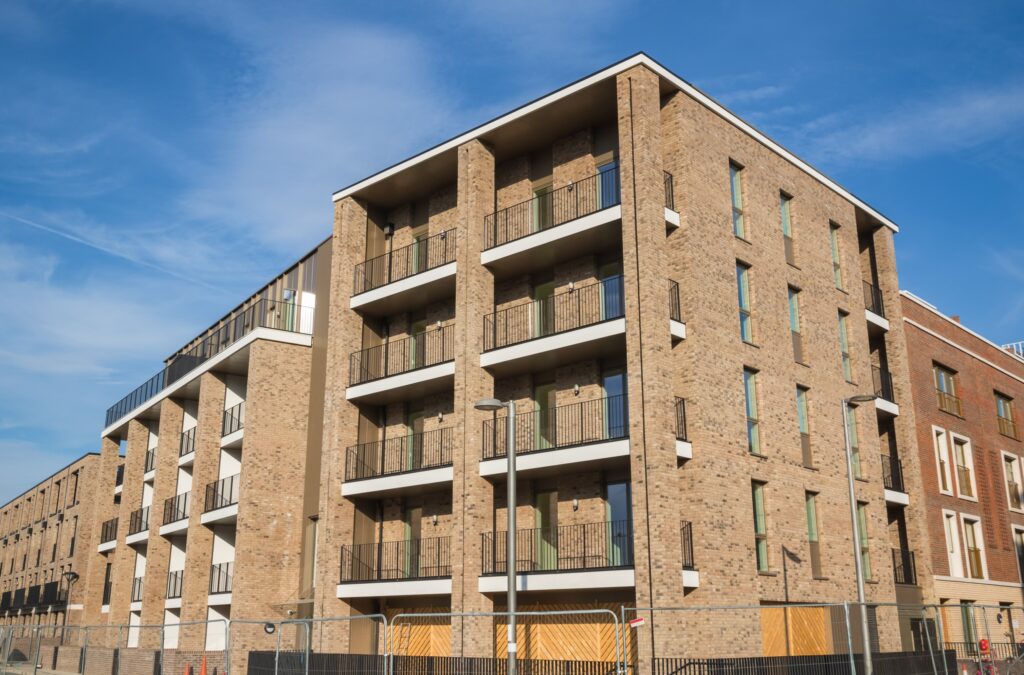
The scheme will apply to eligible new-build homes sold by participating developers. It will not cover existing homes bought on the open market, and not every new-build property will qualify.
Local price caps will apply to keep support focused on modest homes, with separate limits for inner and outer London.
The government is expected to publish a full list of price caps by local authority area, alongside details of participating developers, before the scheme launches.
If you are considering buying a new-build home in 2027, checking the price cap for your area will be an important first step.
What will the equity loan cost?
The government equity loan will be interest-free for the first five years. A 1.6% interest rate will apply during year six, with the rate going up to 3% from year seven.
Interest payments will be separate from the mortgage repayments and will not reduce the outstanding equity loan.
The government will publish further details about how interest will be collected before applications open. Buyers should factor these future charges into their household budget when assessing affordability.
What happens if your home increases or decreases in value?
The equity loan is linked to the value of your property. When you repay it, you will normally owe the same percentage of the home’s current value as the government originally contributed.
For example, if you buy a £300,000 home with a £60,000 equity loan, the government’s share is 20%.
If your home increases in value to £320,000: 20% is £64,000, so you would normally repay £4,000 more than the original loan.
If your home decreases in value to £280,000: 20% is £56,000, so you would normally repay £4,000 less.
This means the government shares in both increases and decreases in your property’s value. The amount you repay is not necessarily fixed at the original loan amount.
When must the equity loan be repaid?
The equity loan will normally be repaid when you sell your home. You will also be able to repay some or all of it earlier.
An independent valuation may be required to calculate the amount due. Further guidance will cover minimum repayment amounts, valuation requirements, fees and how repayment will work when selling or remortgaging.
These details will be important for anyone planning to move home or change their mortgage in the future.
What should buyers consider before applying?
A smaller deposit can make buying more achievable, but it is still important to consider the full cost of homeownership.
Before committing, prospective buyers should budget for:
- Mortgage repayments and the possibility of higher interest rates.
- Equity loan interest after the first five years.
- Legal and mortgage fees.
- Council tax, insurance and maintenance.
- Service charges or estate charges, where applicable.
- The costs of selling or remortgaging.
Think about your longer-term plans, too. The equity loan’s value-linked repayment could affect how much money you retain when selling, particularly if your property increases in value.
The government strongly recommends seeking independent financial and legal advice before committing to a purchase.
With registration expected in December 2026 and applications anticipated in February 2027, first-time buyers should watch for further government guidance and begin preparing now.
For those hoping to take their first step onto the property ladder, Your First Home could offer another route to homeownership, provided the costs and conditions fit their circumstances.