When selling a home, first impressions matter more than most people realise. Buyers often form an opinion within minutes of entering a property, and sometimes even before they step inside.
While every buyer is different, there are common turn-offs that consistently put people off. These are the most common that reduce interest, lower offers, or even stop a sale altogether:
Poor kerb appeal
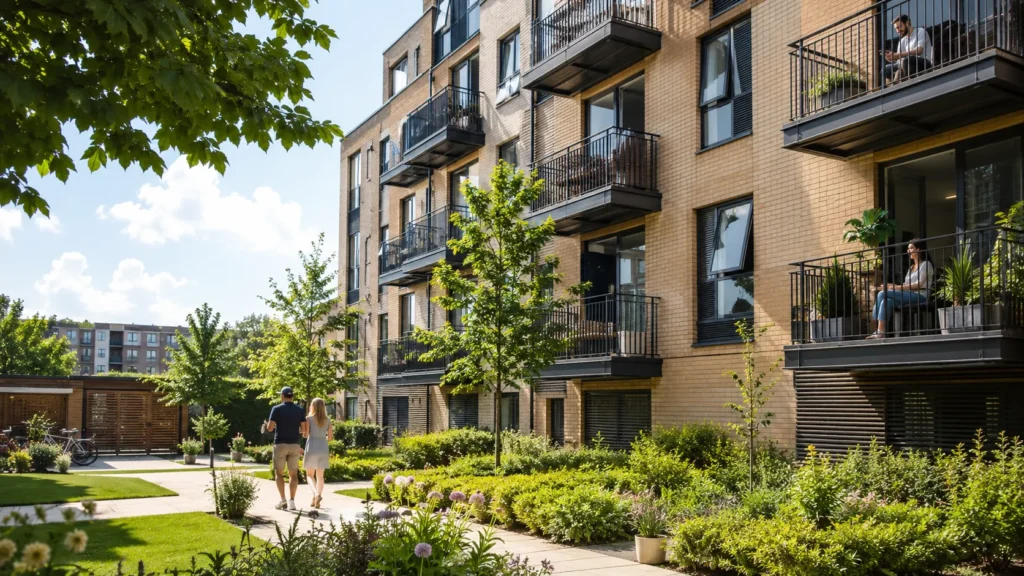
The outside of a home sets the tone before a buyer even steps through the door. Overgrown gardens, flaking paint, broken fences, or general untidiness can instantly put people off as many buyers assume that if the exterior hasn’t been cared for, the interior may also have hidden issues. A well-kept exterior, even with small touches like fresh paint or tidy landscaping, can significantly improve first impressions.
Visible damp or mould
Signs of damp, such as water stains, peeling wallpaper, or mould in bathrooms, are major warning signals for buyers. Even minor cases can raise concerns about structural issues or costly repairs. Many buyers will mentally deduct money from their offer or lose interest entirely if damp is visible, as it suggests ongoing maintenance problems.
Strong or unpleasant smells
Smell is one of the most powerful factors in shaping perception. Odours from pets, smoking, damp, or strong cooking can make a property feel unclean or uncomfortable, even if it’s spotless, and make the entire viewing experience unpleasant. Buyers may struggle to look past the smell and instead focus on what might be causing it. Neutralising odours and ensuring good ventilation is essential when showing a home.
Signs of poor maintenance
Small faults such as dripping taps, cracked tiles, squeaky doors, or broken fixtures can create a negative impression. While they may seem minor, buyers often interpret them as signs that the property hasn’t been well cared for overall. These details can lead to concerns about larger, hidden issues and reduce confidence in the home.
Bad layout or awkward flow
Even a spacious home can feel impractical if the layout doesn’t work well. Narrow hallways, awkward room shapes, or poorly connected living areas can make everyday living feel inconvenient. Buyers tend to prioritise homes that feel intuitive and easy to move through, so layout issues can be a major drawback.
Cluttered or overly personalised spaces
Homes that are overly filled with furniture, personal items, or bold décor can make it difficult for buyers to visualise themselves living there. Strong colour schemes or niche design choices may not appeal to wider tastes. A clean, neutral, and minimal approach helps buyers focus on the space itself rather than the current owner’s style.
Noise problems
Noise is a key lifestyle factor that can quickly influence a buyer’s decision. Traffic, trains, aircraft, or loud neighbours can make a property feel less peaceful and desirable. Even if the home itself is attractive, persistent noise issues can significantly reduce its perceived value and appeal.
Visible structural issues
Cracks in walls, uneven floors, or signs of subsidence can raise immediate concerns for buyers. Even if some issues are cosmetic, they often lead to fears of expensive repairs or deeper structural problems. Buyers may either reduce their offer significantly or avoid the property altogether if structural doubts arise.
Lack of natural light
Lighting plays a huge role in how spacious and welcoming a home feels. Dark rooms can appear smaller, colder, and less inviting, which can reduce buyer interest. Natural light is especially valued, so heavy curtains, poor window placement, or dim lighting can all work against a property’s appeal.
Overpriced homes
Pricing is one of the most influential factors in attracting interest. If a home feels overpriced compared to its condition, size, or location, buyers may not even book a viewing. It’s important to show off the home in a way that reflects it’s worth the asking price. In competitive markets, realistic pricing is essential to generate interest and encourage serious offers.
Selling a home is about more than just location and size. How a property feels to a buyer can have a huge impact on their decision and so ensuring you make as many improvements as possible to enhance their viewing experience will pay off.