2026 interior design trends

This year, how a home feels is taking centre stage over short-lived design styles. Years of minimalist, spotless interiors are about to be replaced by spaces that incorporate wellness, history and a lived-in atmosphere. 

From sleek oak finishes to vintage furniture, here are the top trends taking over interior design: 

Curated collections as a form of self-expression 

Curated collections of art, photography and meaningful objects are emerging as a way for homeowners to incorporate history and narrative into their spaces. Perfectly staged walls and surfaces are being quietly replaced by personal and thoughtfully displayed collections, allowing interiors to feel intentionally lived-in, layered and distinct. 

Spaces focused on wellbeing 

Wellness-focused design is set to become a defining theme in 2026, with interiors becoming shaped around how spaces can be adapted to support daily routines and wellbeing. Bedrooms are being reimagined as restful sanctuaries, with  textured  headboards, breathable bedding and considered layouts designed to prioritise quality sleep.  

Home offices continue to evolve for long-term working from home, with improved air flow, natural light and ergonomic furniture supporting both productivity and mental wellbeing, while bathrooms adopt a more spa-like feel through deep soaking tubs, natural stone finishes and softly layered lighting. 

A return to natural materials 

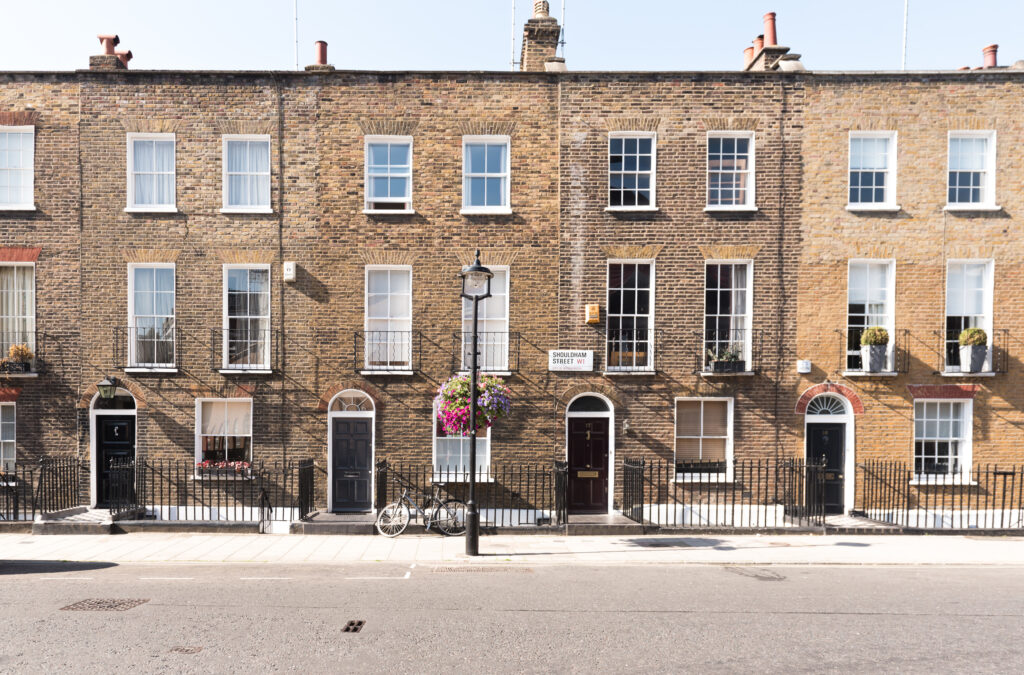
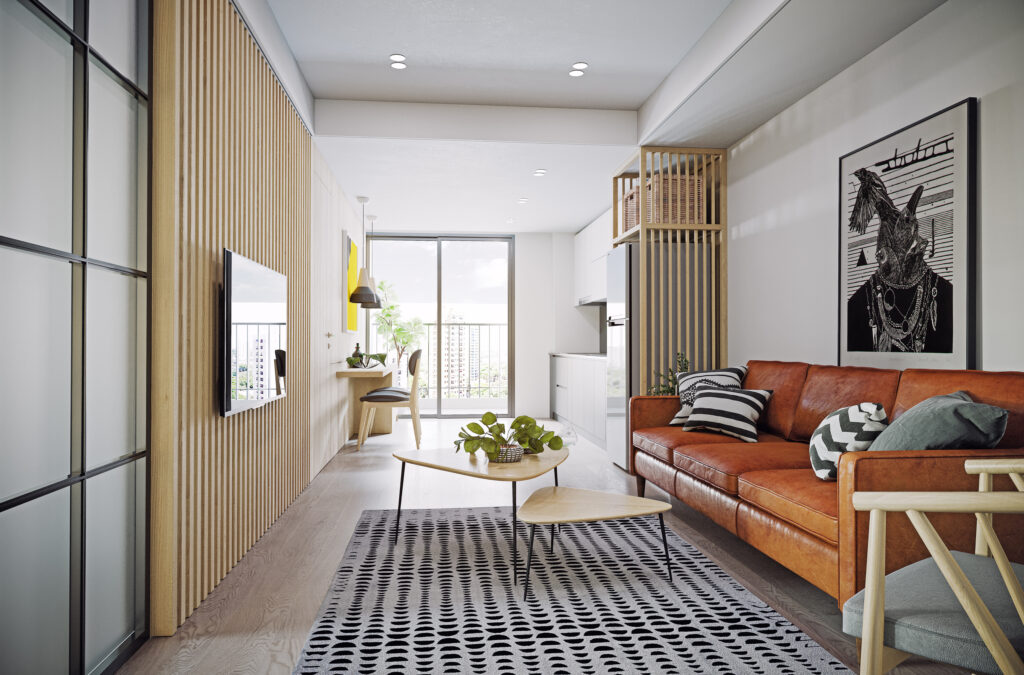
Stone, timber and tactile finishes are being used to create homes that feel grounded and authentic rather than overtly decorative, with exposed brick particularly popular. Warm woods such as oak and walnut are adding depth to kitchens and reception spaces, while natural fabrics like linen and wool introduce softness and longevity throughout the home. 

Vintage furniture 

Homeowners are leaning away from modernism in favour of one-of-a-kind vintage pieces that introduce character and exclusivity into the home. Furniture rich in age and texture is set to play a leading role throughout 2026, with sensory materials such as velvet upholstery and aged wood finishes bringing warmth and visual interest to living spaces. Pieces drawn from different eras, from Murano glass lighting to handcrafted wooden storage sets, bring a level of craftsmanship and detail that instantly elevates a space, resulting in interiors that feel rich, distinctive and impossible to replicate. 

Earthy tones 

Interiors are embracing a softer, more grounded colour palette, creating a refined and sophisticated backdrop that allows statement pieces to stand out. Shades such as khaki, soft browns, clay hues and muted olive are being introduced through accent walls and joinery, adding depth without competing with bolder design elements.
Share This Post On:

Today marked a historic moment as King Charles III delivered his first speech, outlining the government’s priorities for the upcoming year. Among the key announcements were significant reforms impacting the rental and property sectors. Let’s delve into the three major takeaways that should be on every letting agent and landlord’s radar.

 Renters (Reform) Bill: A Balancing Act

The speech reiterated the government’s commitment to the Renters (Reform) Bill, signalling a renewed focus on the rights of tenants and the concerns of landlords. A notable highlight is the pledge to abolish Section 21, commonly known as “no-fault evictions,” a commitment that has been in the spotlight since the Queen’s Speech in 2019.

However, the timeline for implementation remains uncertain. The King’s Speech provided no further clarity on the criteria and deadlines for the significant court process reforms required before Section 21 can be abolished. Letting agents and landlords should stay vigilant for updates, as these changes will reshape the dynamics of the rental market.

Leasehold Bill: A Path to Fairness

King Charles III emphasised the government’s dedication to making homeownership more accessible by introducing a Leasehold Bill. The proposed reforms aim to streamline the process of buying the leasehold of a property and alleviate the burden of “punitive” service charges.

Estate agents need to monitor the legislative landscape, anticipating reforms such as simplified procedures for leaseholders to purchase the freehold or extend their leasehold. The introduction of a cap on ground rent at 0.1% of the freehold value could transform the leasehold market, while changes to ownership requirements may lead to a future where all houses are sold as freehold.

Net Zero and Energy Efficiency: A Green Commitment

The government’s unwavering commitment to achieving Net Zero emissions by 2025 is a pledge with broad implications, including significant changes in the property sector. King Charles III expressed the government’s desire to “safeguard energy independence” and invest in renewable energy sources.

For landlords and homeowners, the initial requirement to upgrade properties to an EPC C rating by 2025 on new tenancies, and 2028 for all tenancies, faced a revision in September 2023. Prime Minister Rishi Sunak announced the relaxation of these targets, relieving landlords and homeowners from the original deadlines. However, the commitment to energy efficiency and the transition to renewable sources remains a focal point in the government’s agenda.

As we navigate through this new era under King Charles III, the landscape of the property market is set to undergo significant transformations. Letting agents and landlords must stay informed and adapt to these changes to ensure a smooth transition into a more tenant-friendly, fair, and sustainable future.


Leave a Reply

Your email address will not be published. Required fields are marked *

Related Blogs