Choosing between a new build and a traditional home is one of the most common dilemmas for buyers. Both options can be excellent depending on what you value most, but they offer very different living experiences.
New builds focus on modern design, energy efficiency, and convenience, while traditional homes tend to offer character, space, and established surroundings. Understanding these differences in detail can help you avoid costly mistakes and choose a home that genuinely fits your lifestyle.
New builds
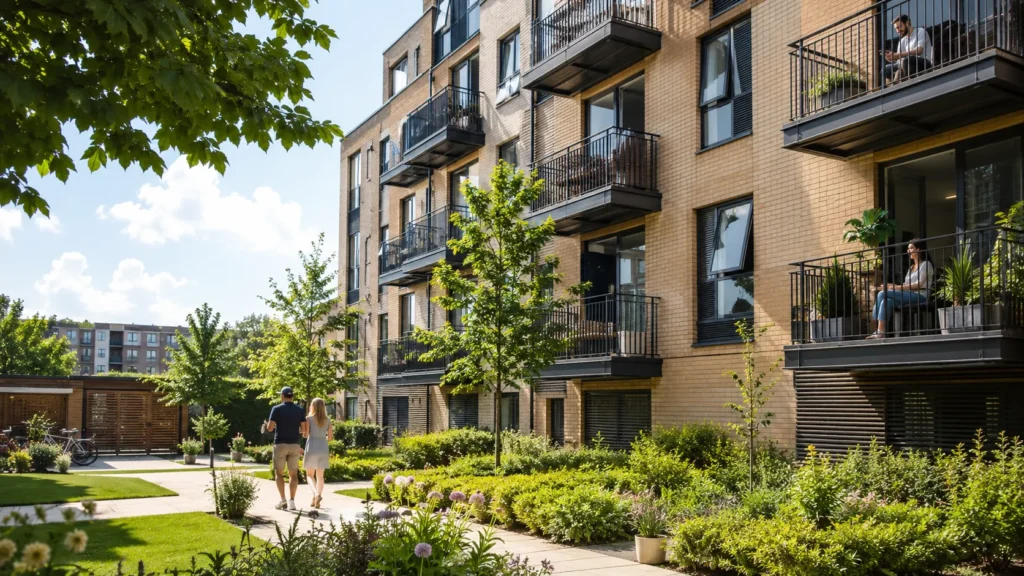
A new build is a property that has been newly constructed and has never been occupied. These homes are typically part of planned developments built by large or small developers. They are designed to meet current building regulations, particularly around energy efficiency, safety, and accessibility.
New builds often include modern features such as:
– Open-plan kitchen and living areas
– Integrated appliances
– Double glazing and high insulation standards
– Smart heating systems or home technology
– Contemporary finishes throughout
Pros
Energy efficiency and lower bills
New builds are designed to retain heat and reduce energy loss, which can significantly reduce utility bills. With better insulation, modern boilers, and energy-efficient windows, they tend to perform better on Energy Performance Certificates (EPCs) compared to older homes.
Low maintenance living
Everything in the property is brand new – from the roof to the wiring and plumbing. This means fewer unexpected repair costs in the early years. Many new builds also come with warranties, giving buyers added peace of mind.
Modern design
Layouts are designed for how people live now. Open-plan spaces, en-suite bathrooms, and built-in storage are common. This is especially appealing for professionals, couples, and young families.
Easier buying process
New builds are often chain-free, meaning there is no dependent seller above you. This can reduce delays and make the buying process more straightforward and predictable.
Cons
Higher price per square foot
New builds often cost more than older homes in the same area. Buyers are effectively paying a premium for new condition, warranties, and modern features.
Smaller space
To maximise developer profit, new builds can sometimes have smaller rooms, narrower hallways, and reduced garden space compared to older properties.
Lack of character
While modern and clean, new builds can feel uniform. They often lack the period features, craftsmanship, and individuality found in older homes.
Ongoing development issues
In new estates, construction may still be happening nearby. This can mean temporary disruption, noise, and unfinished infrastructure like roads or landscaping.
Traditional homes
A traditional home is any property that has been previously lived in. This can include Victorian terraces, 1930s semis, post-war housing, or even more modern resale homes.
These properties are often found in established neighbourhoods and vary widely in style, size, and condition.
Pros
Character and individuality
Traditional homes often feature unique architectural details such as high ceilings, fireplaces, original flooring, bay windows, or decorative mouldings. This gives them a sense of personality that newer homes may lack.
More space and larger plots
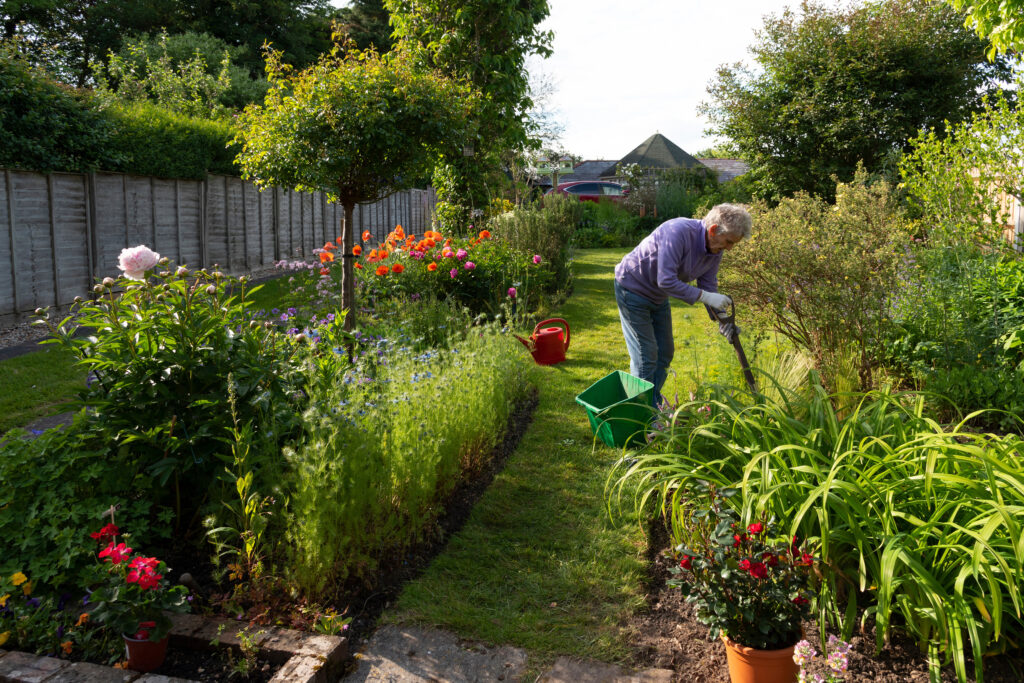
Older homes are often built with more generous proportions. This can include larger bedrooms, wider hallways, and bigger gardens – something many buyers value highly.
Established communities
Traditional homes are usually located in well-developed areas with existing infrastructure. Schools, transport links, parks, and shops are already in place, making day-to-day life more convenient.
Potential to add value
Many older homes offer renovation opportunities. Buyers can modernise, extend, or redesign spaces, potentially increasing the property’s value over time.
Cons
Higher maintenance costs
Older homes may require ongoing repairs due to ageing materials. Roofs, plumbing, electrics, and insulation may all need updating over time, which can be costly and unpredictable.
Lower energy efficiency
Many traditional homes were built before modern energy standards. As a result, they may be harder to heat and more expensive to run unless upgraded.
Renovation work required
Some properties may need significant modernisation before they feel comfortable to live in, which can be time-consuming and expensive.
Property chains
Buying a traditional home often involves a chain, where multiple transactions depend on each other. This can lead to delays or even failed sales.
How to decide
Choosing between a new build and a traditional home comes down to how you live and what matters most to you.
Lifestyle fit
If you prefer convenience, clean design, and minimal upkeep, a new build may suit you better.
If you value space, character, and individuality, a traditional home may be more appealing.
Budget considerations
New builds may have higher upfront costs but lower ongoing maintenance.
Traditional homes may be cheaper initially but can require significant repair or renovation costs.
Time and effort
New builds are often move-in ready with minimal work needed.
Traditional homes may require renovation, decorating, or upgrading systems.
Long-term plans
Think about how long you plan to stay. A new build may suit short to medium-term living with low hassle, while a traditional home may be better for long-term investment and personalisation.
Summary
New builds and traditional homes both offer strong but very different advantages. New builds focus on modern living, efficiency, and convenience, making them ideal for buyers who want a low-maintenance lifestyle. Traditional homes, on the other hand, offer space, character, and renovation potential, appealing to those who want individuality and long-term value.
Ultimately, the best choice depends on your budget, lifestyle, and priorities. By weighing up both options carefully, you can choose a home that not only fits your needs today but continues to work for you in the future.