Putting your property on the market is an exciting step. The photos are taken, the floorplans are complete, and your home is ready to shine. But what if viewings aren’t coming in as quickly as expected? If your property isn’t attracting attention, it’s important to understand why and how you can turn things around.
Review Your Asking Price
One of the biggest barriers to generating viewings is an unrealistic asking price. Buyers today have access to vast amounts of data, making it easy to compare similar properties in your area. If your home is priced higher than comparable listings, it can put people off before they even book a viewing. A well-researched, competitive price will help attract more interest and could even encourage multiple offers. If you’re not seeing any enquiries, it may be time to revisit your valuation and adjust accordingly.
Choose the Right Estate Agent
Your choice of estate agent can make a huge difference to the number of viewings your property receives. A motivated, knowledgeable agent who knows the local market will actively promote your home to the right audience.
Look for an estate agent who:
Understands your target buyers
Markets properties beyond the online portals (social media, local advertising, mailing lists)
Provides feedback and recommendations for improving your listing
The right agent won’t just list your property; they’ll market it strategically to get more qualified buyers through the door.
Improve Presentation and Kerb Appeal
First impressions matter. A cluttered or tired-looking property can turn buyers away, even before they’ve stepped inside. Both the interior and exterior of your property should showcase the lifestyle buyers aspire to. Kerb appeal is particularly important, as many buyers will decide whether to book a viewing based on how the property looks from the outside.
Simple improvements can go a long way:
Declutter and depersonalise, while still keeping the space homely
Carry out any overdue maintenance jobs
Refresh paintwork where needed
Style empty properties with furniture to help buyers imagine living there
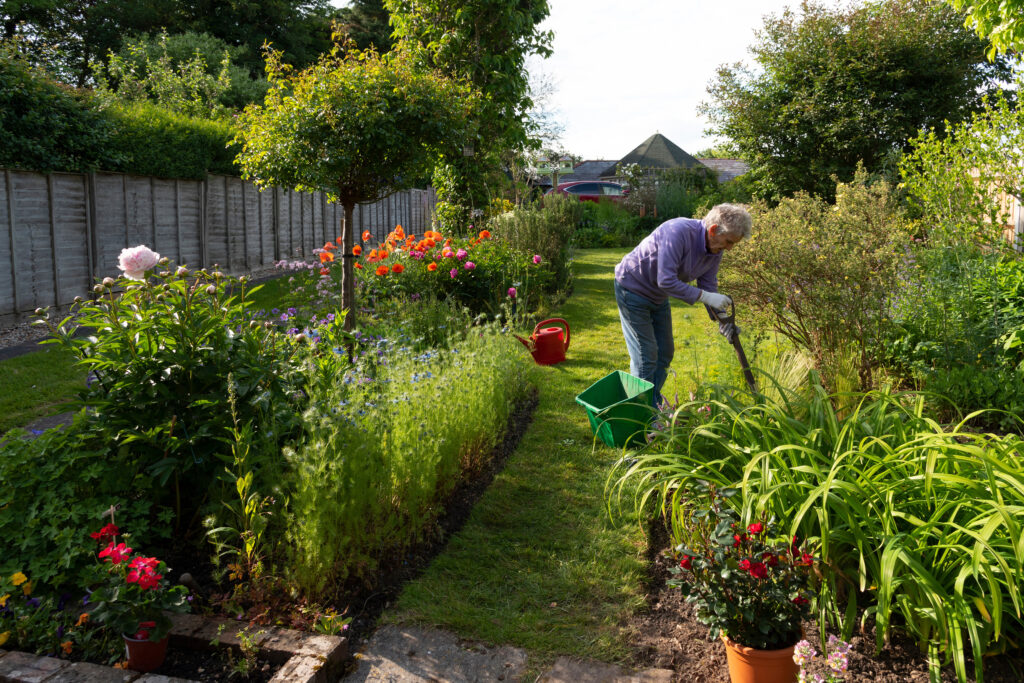
Tidy the garden, mow the lawn, and repaint doors or fences
Understand Your Target Buyer
Not all properties appeal to the same audience. Tailoring your marketing to the right type of buyer can increase viewing numbers. For example, a family home might highlight nearby schools and transport links, while an investment property could emphasise rental potential. Consider what makes your home unique and make sure these features are clearly communicated in your property listing.
Invest in Professional Photography
Most buyers start their property search online, which makes high-quality photography essential. Listings with sharp, well-lit, and varied images consistently attract more clicks and more enquiries. Professional photography is often worth the investment, as it helps your property stand out in a competitive marketplace.
Monitor Viewing Levels and Take Action
So, how many viewings should you expect? In most cases, sellers should see a surge of interest within the first two weeks. If fewer than 8–10 people have viewed your property within the first month, it may be time to take action.
Possible next steps include:
Adjusting the asking price
Refreshing photography or marketing materials
Updating the property description
Asking your agent to increase promotion