When you’re searching for a new home, it’s not just about the house itself — the neighbourhood and the community around it are just as important. A strong sense of community can make a huge difference in your day-to-day life, whether you’re raising a family, working remotely, or simply looking to feel connected to your surroundings. Here are some key indicators that can help you determine if a neighborhood has a great sense of community before you commit to buying a property.
Events and activities
One of the first signs of a strong community spirit is an active calendar of neighbourhood events. A great community will have regular social gatherings, festivals, charity events, funruns or meetups. These can range from street parties and farmers’ markets to local sports leagues or fundraisers for a good cause. Check local community centers, notice boards, or social media groups for announcements about upcoming events. If the area is buzzing with opportunities to get involved, it’s a good sign that the people living there enjoy interacting and supporting one another.
Active local social media groups
In the digital age, many villages and towns have social media pages or groups where residents share news, offer support, or just chat. Joining these groups (often on Facebook) is a great way to gauge the level of interaction in the community. Active groups show that people are engaged, whether it’s recommending local businesses, helping each other with small tasks, or organizing local events. A sense of camaraderie and positive interaction online is usually a reflection of what’s happening in the community offline as well.
The condition of the local area
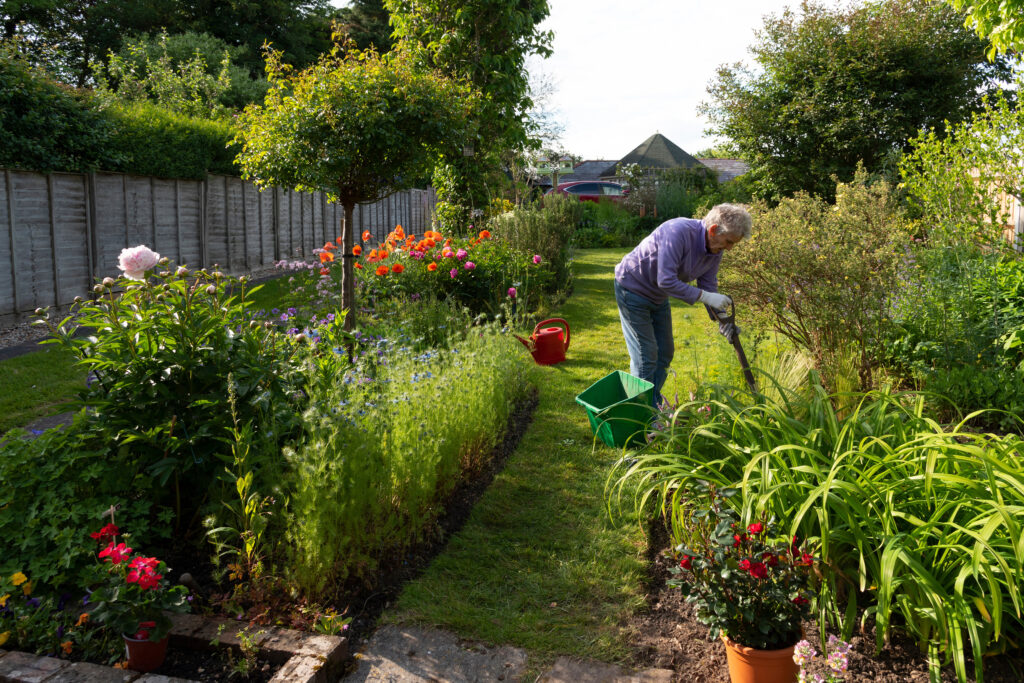
A well-maintained neighbourhood often signals that residents care about their community. Take a walk or drive through the area and pay attention to the cleanliness of the streets, the upkeep of public spaces, and the condition of local parks or green spaces. Well-kept areas with flowers, art, and tidy streets are often maintained by community groups or local volunteers working together to keep the neighborhood pleasant and welcoming.
A welcoming atmosphere
There’s nothing quite like the feeling of being welcomed by your next-door neighbours. As you explore a potential new neighborhood, take note of the interactions you have with the people you meet. Do they smile and greet you? Are people chatting in their front gardens or having friendly conversations at the local coffee shop? If you’re met with open, friendly faces and genuine interest in newcomers, it’s a strong sign that the community values connection and inclusivity. Sometimes, the best way to know if an area has a good community spirit is by simply engaging with the people who live there.
Good local amenities and services
A thriving area often has a mix of good local amenities, such as schools, healthcare facilities, public transport, and shops. When an area has access to essential services and offers a good range of local businesses, it’s a sign that the people living there support one another by shopping locally and relying on shared services.
Safety and security
While safety isn’t the only factor in creating a sense of community, it plays a significant role. Neighbourhoods with a strong sense of community often have residents who look out for each other. If you feel comfortable walking around at all hours of the day, seeing neighbors keeping an eye out for each other, or noticing that the neighborhood is well-lit and monitored, it indicates a close-knit community. Community-led initiatives like neighbourhood watch programs or local safety committees also show that the people living there care about the well-being of each other and are proactive in keeping the area safe.