Introduction:
The property market is a dynamic landscape that continuously evolves, shaped by economic factors, lifestyle changes, and regional developments. Northamptonshire, a picturesque county in the heart of England, is no exception to these trends. In this blog, we’ll delve into the latest property trends in Northamptonshire, offering insights into what’s driving the market and what prospective buyers and sellers can expect.
1. Sustainable Living and Energy Efficiency:
Green is In: Sustainability is at the forefront of property trends in Northamptonshire. Homebuyers are increasingly seeking eco-friendly features such as solar panels, energy-efficient appliances, and well-insulated properties to reduce their carbon footprint and energy bills.
2. Rural Retreats and Commuter Convenience:
The Rise of Market Towns: Northamptonshire’s charming market towns, like Towcester and Daventry, are gaining popularity. They offer a perfect blend of idyllic rural living and easy access to larger cities like Northampton and Milton Keynes, making them attractive to commuters.
3. Working from Home Revolution:
Home Office Space: The remote work trend has led to increased demand for properties with dedicated home office spaces or adaptable rooms that can serve as workspaces. This trend is likely to persist as flexible working becomes the new norm.
4. Property Renovations and Extensions:
Adding Value: Many homeowners in Northamptonshire are choosing to enhance their properties through renovations and extensions, increasing their market value. This trend is particularly evident in older properties being updated to meet modern living standards.
5. First-Time Buyers and Affordable Housing:
Shared Ownership: Affordable housing initiatives, like shared ownership schemes, are helping first-time buyers get a foothold in the Northamptonshire property market. This trend aims to make homeownership more accessible to a wider demographic.
6. The Influence of Education:
Proximity to Schools: Proximity to high-quality schools continues to be a driving factor for property purchases in Northamptonshire. Areas with well-regarded educational institutions remain desirable for families.
7. Investment in Infrastructure:
Transport Links: Northamptonshire’s strategic location makes it a transport hub, with major road and rail connections. Infrastructure improvements, such as the planned East Midlands Hub railway station, are expected to further boost property values in the region.
8. Outdoor Living and Open Spaces:
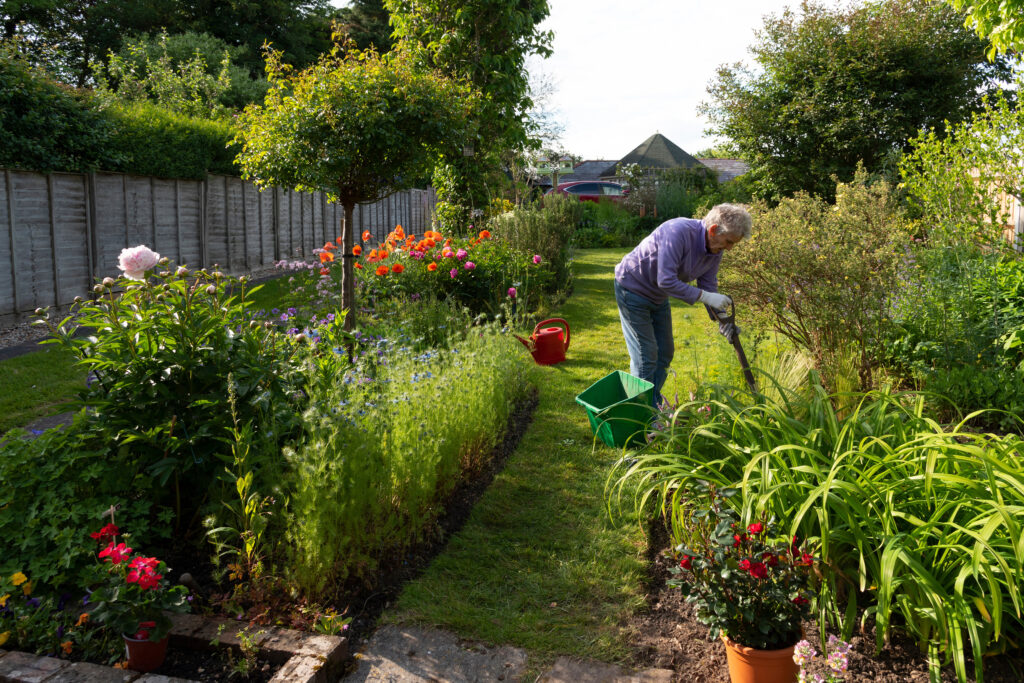
Gardens and Greenery: The importance of outdoor space has been underscored by recent events. Properties with gardens or access to nearby parks and green spaces are highly sought after.
9. Demand for New-Builds:
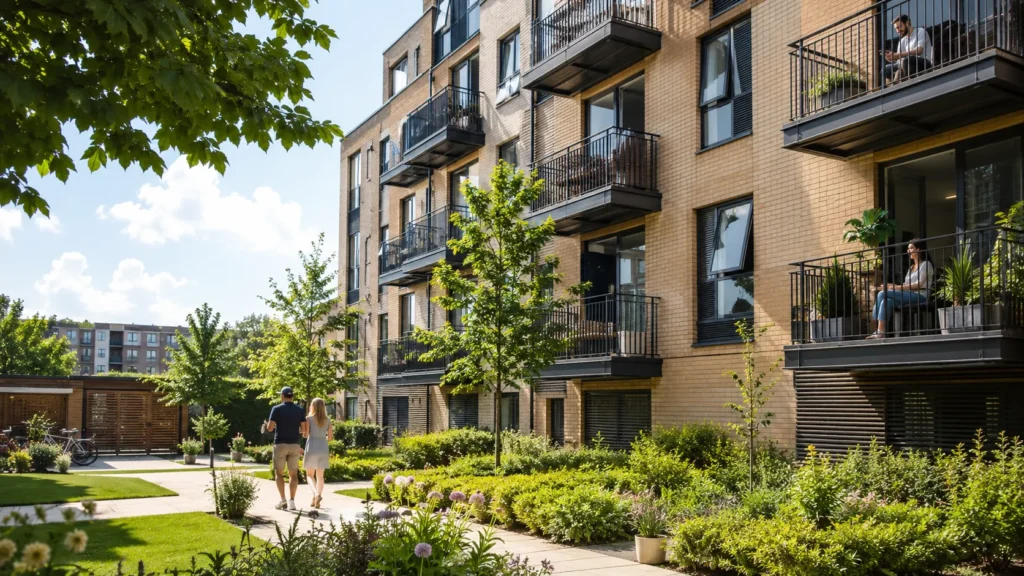
New Developments: Northamptonshire has seen a surge in new housing developments, catering to a range of budgets. New-build properties often come with modern amenities and energy-efficient features.
10. Rental Market Growth:
The rental market in Northamptonshire has witnessed increased demand, leading to rising rents. This trend is partly due to the flexibility offered by renting in uncertain economic times.
Conclusion:
Northamptonshire’s property market is dynamic and responsive to the evolving needs and preferences of its residents. As the county continues to grow and develop, property trends in Northamptonshire are likely to reflect the broader shifts occurring in the UK housing market, including sustainability, remote work, and a focus on quality of life. Whether you’re a prospective buyer, seller, or investor, staying informed about these trends is essential for making informed decisions in this ever-changing market.